
Biodiversity Friendly Futures
Fostering coexistence of wolves and people, and mechanisms to fairly share the costs and benefits of conservation.
Habitat loss and degradation in the highlands of Ethiopia threaten the survival of endemic wildlife and likewise people's livelihoods. Since 2016 EWCP is working closely with these communities to create opportunities that allow both people and wildlife to thrive. The consistent involvement of local authorities and communities, and the contributions of local Wolf Ambassadors, has been crucial to our success in getting sustainable livelihood initiatives off the ground.
We provide training, materials and continued support to producers throughout their involvement in sustainable livelihoods with direct conservation and economic impacts:
Guassa Gardens
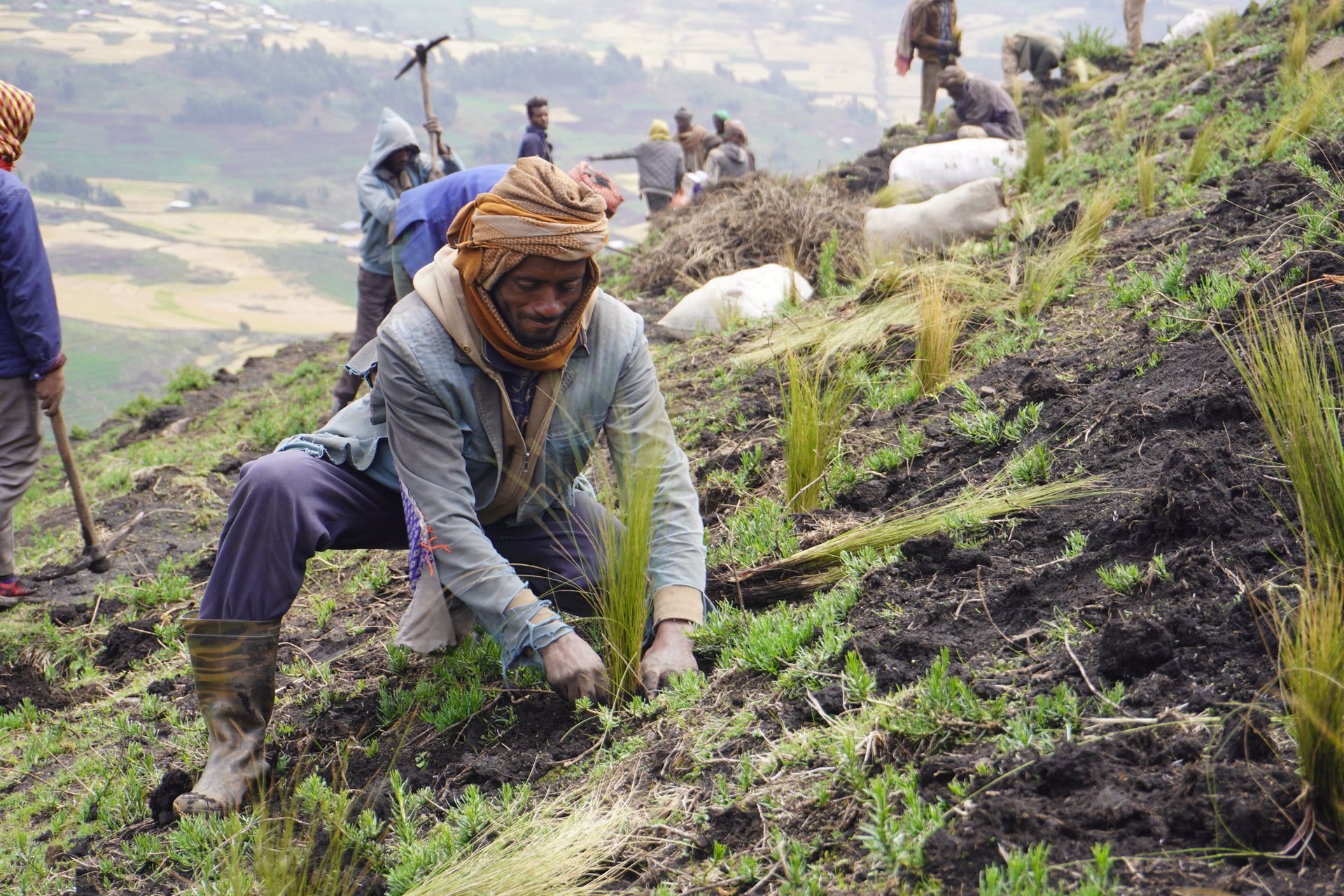
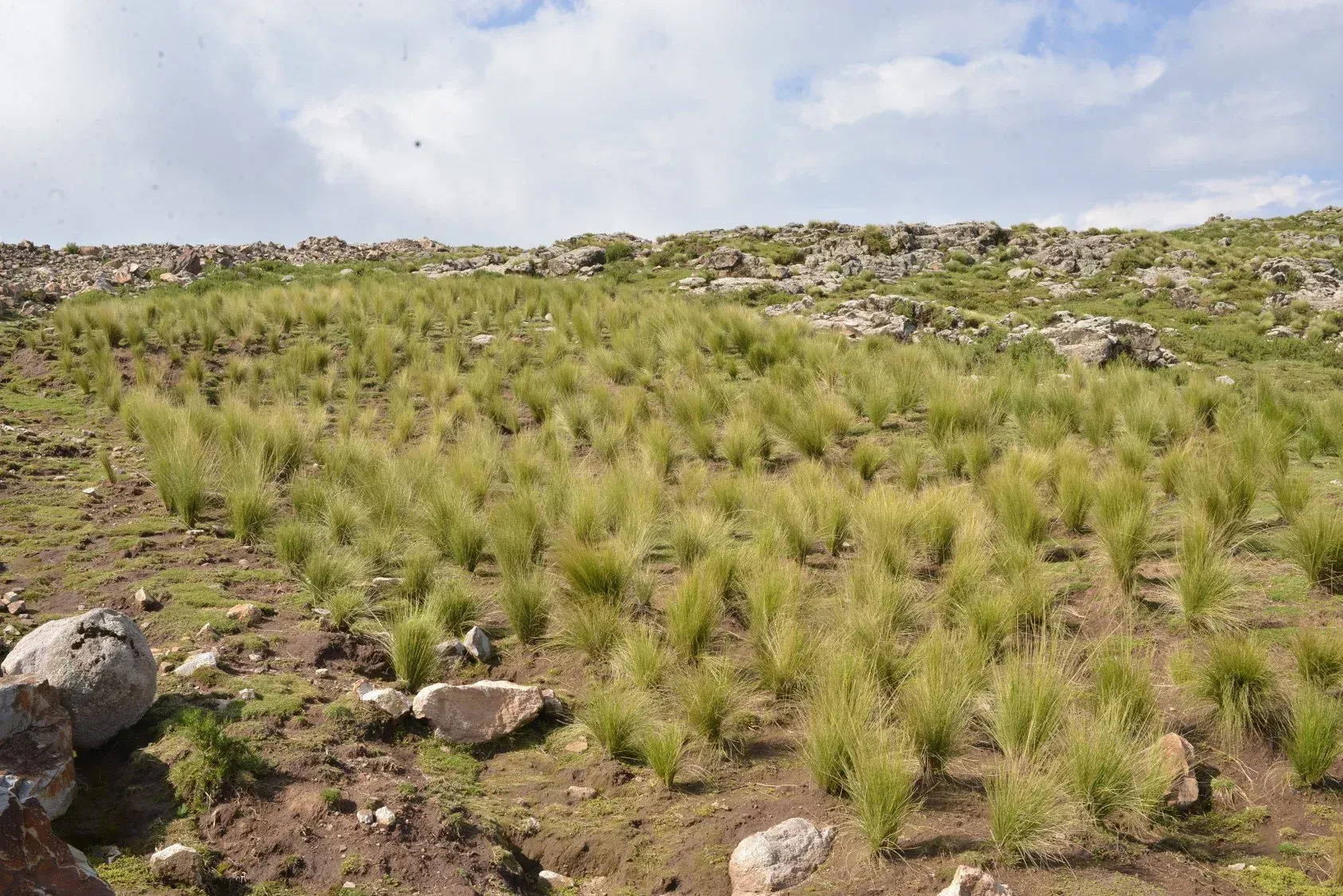
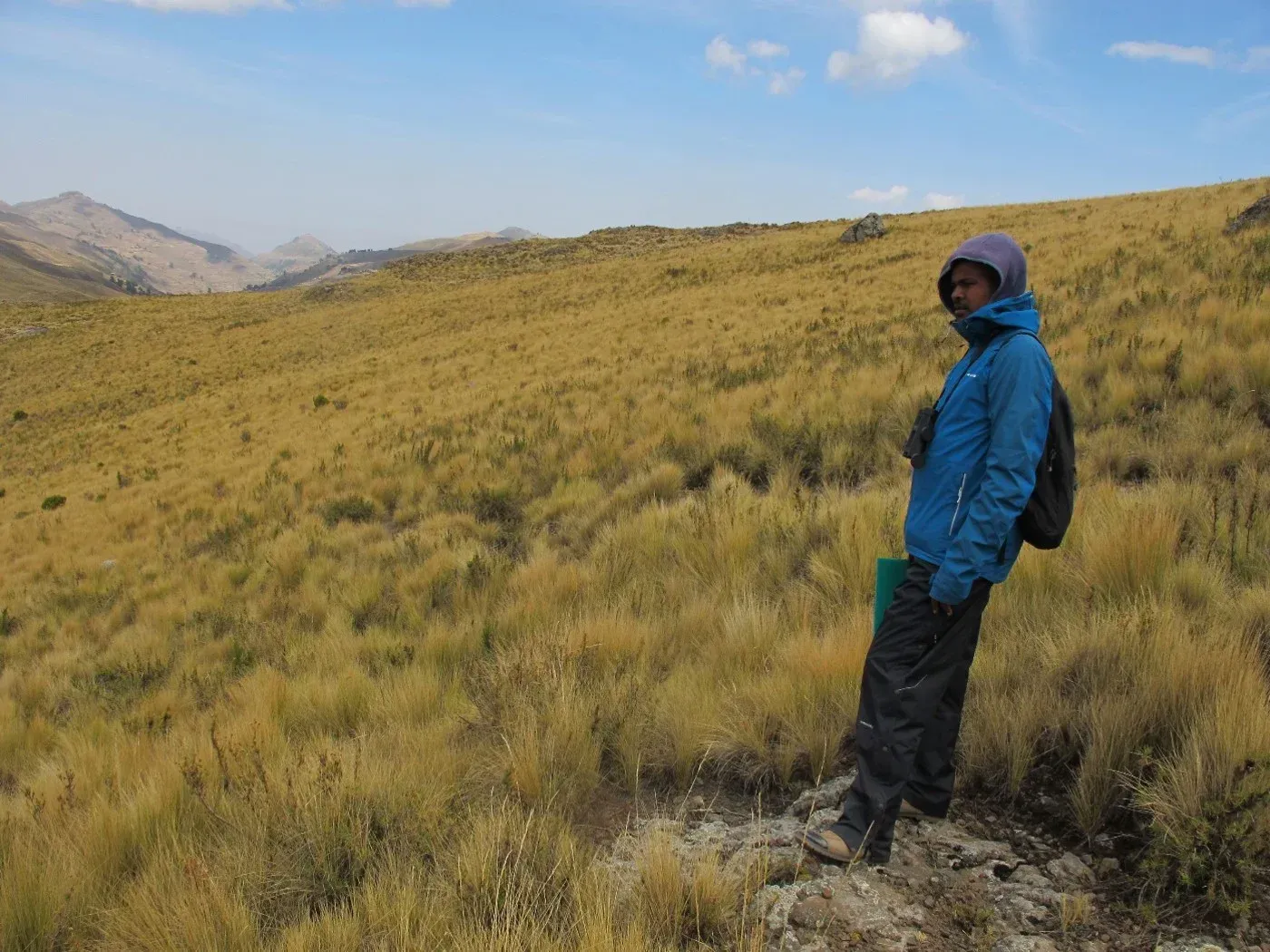
Guassa is a native species of grass, valued as a versatile material for thatching, weaving, rope and livestock fodder, with a strong local market.
Guassa gardens are small plots of cultivated guassa around homesteads and in marginal agricultural land.
Guassa gardens provide income and resources to families; they reduce erosion and preserve soil humidity; provide food and shelter for small rodents, boosting prey availability for wolves, and reduce harvest of wild grasses.
EWCP also supports communities using traditional methods to manage the natural guassa grasslands, including formal incorporation of such practices via co-management in protected areas. The management allows grasslands to grow by excluding livestock from the highlands and the harvest is regulated, including rotation and special allowances to assist people in need. In this way we help to conserving traditional knowledge as well as natural resources. Degraded habitat is helped to recover and wolves are able to expand their ranges.
Read how guassa gardens are helping wolves in Delanta

Native species

Rodent habitat

Wolf habitat

Multiple human uses
Highland Honey
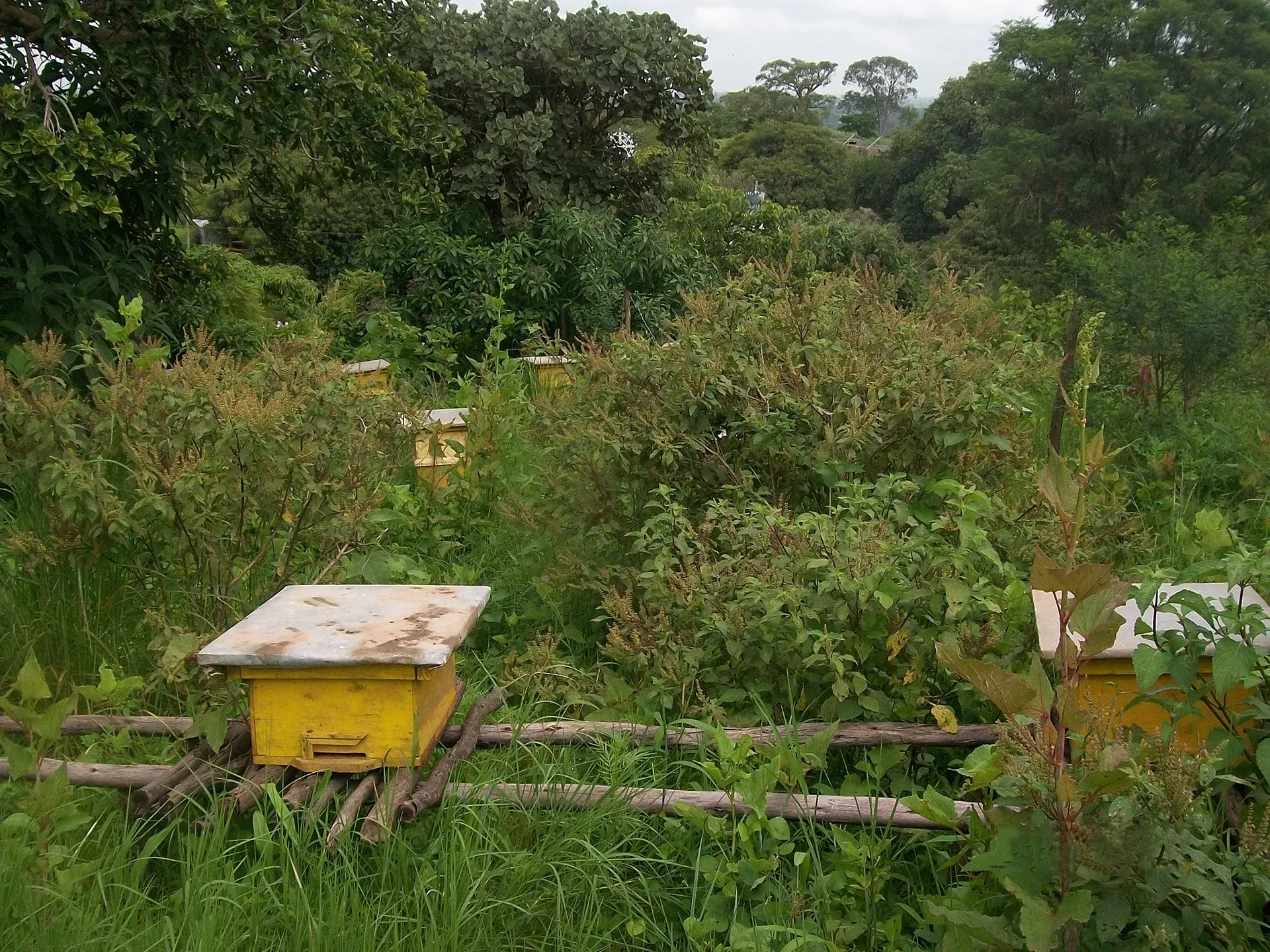
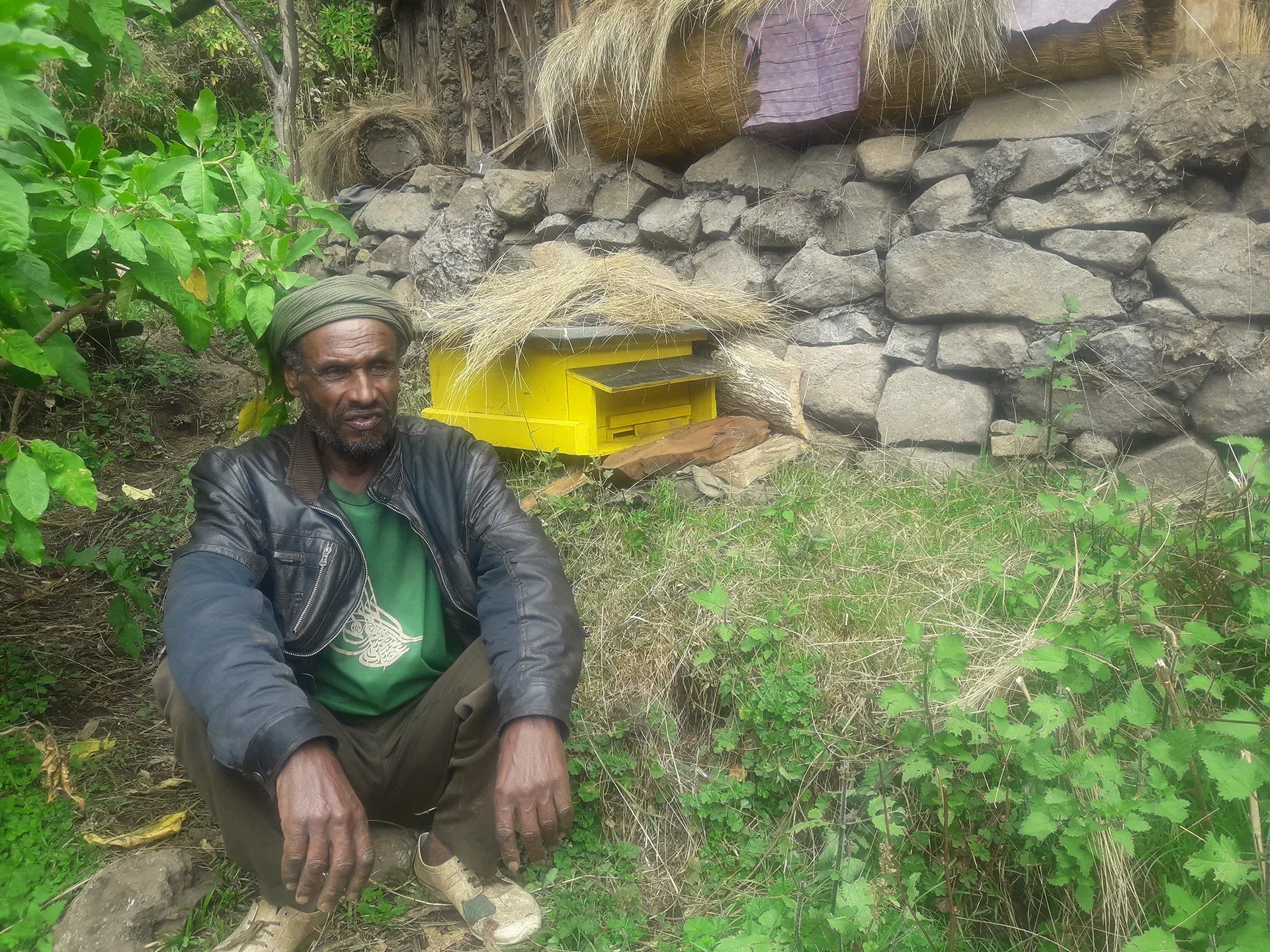
Highland honey is a traditional produce from the Ethiopian highlands. The rich honey has a characteristic taste and aroma resulting from the Erica flowers that the bees feed on.
Families or self-assembled cooperatives install modern bee hives in mountain areas near Erica vegetation where the wolves live.
Honey is both commercialised, with strong demand at local markets, and kept for the producer's own use. We've seen some great initiatives come from honey-producing communities, including regular patrols of shared Erica resources.
Erica arborea trees are native to Ethiopia. Erica moorlands and forests are key components of the Afroalpine ecosystem, sustaining high diversity and forming habitats for endemic fauna.
Many trees have been cleared for firewood or to open the land up for grazing, but with their bees dependent on Erica flowers, honey producers are motivated to protect these plants and reduce deforestation, in turn conserving vital habitat for wildlife, including Ethiopian wolves.
Native species

Profitable product

Supports biodiversity
Saving fuel, saving wolves
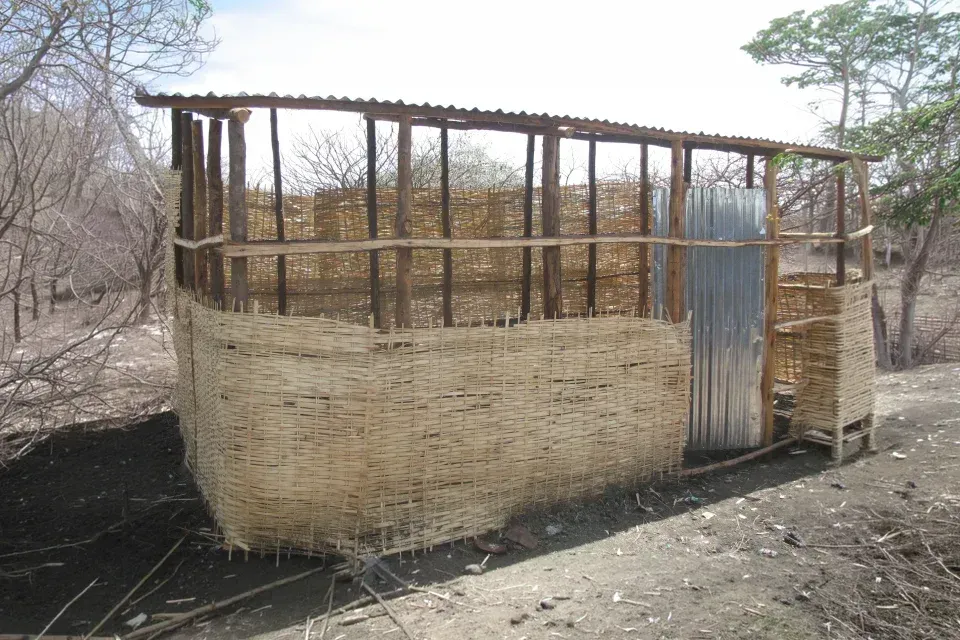
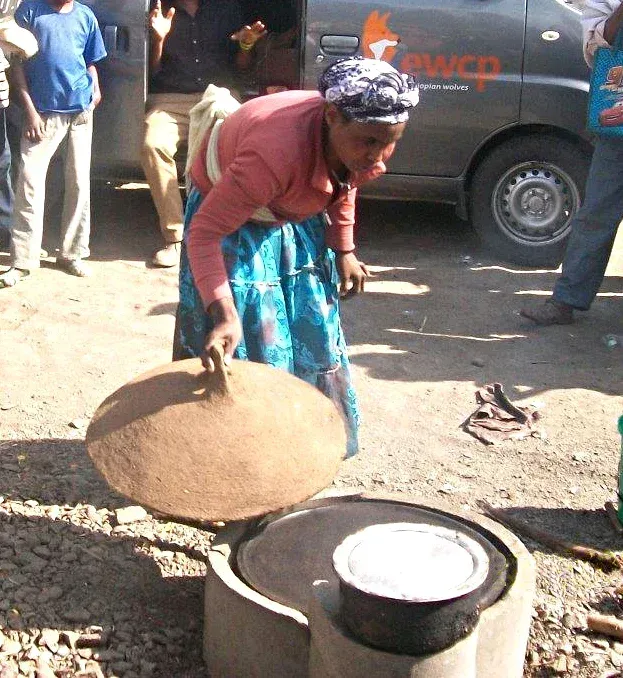
Fuel-saving stoves consume around half the firewood of an open fire and release less smoke
Stoves are adapted to the specific needs of the Ethiopian cuisine are produced and commercialised locally by women’s collectives.
This enterprise is particularly beneficial to women, who traditionally hold the roles of cooking and collecting firewood. There are health benefits to reducing smoke inhalation, and lower fuel consumption means less labour and time spent collecting wood, while also relieving pressure on natural resources.
Native species
Rodent habitat
Wolf habitat
Multiple human uses
Help us achieve our new targets!
As we continue to refine protocols of best practice, we aspire to scale up these initiatives and support governments and NGOs in replicating this model.
Achievements so far:
165 households benefitted financially
891 stoves produced and sold by 4 cooperatives
1600kg honey sold by 74 producers
71 households harvested amd sold guassa
Next targets:
5 more women’s cooperatives established
80 more beehives operational
240 more farmers planting guassa by argicultural land
20 communities involved in livelihood decisions
Your support keeps us going
Together we can do this by strengthening our core projects: Monitoring & Research, One Health, Living with Wolves, Biodiversity Friendly Futures & Conservation Translocations
Together we can save Ethiopian wolves from extinction.