
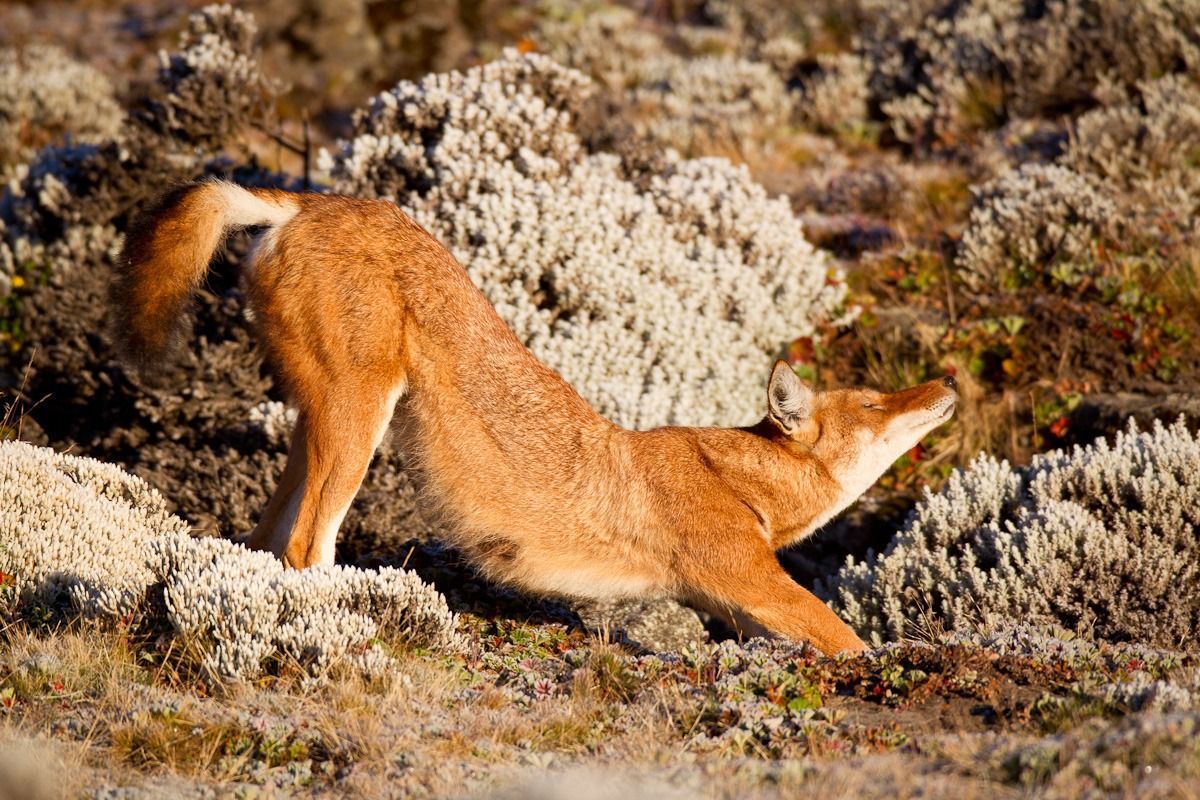

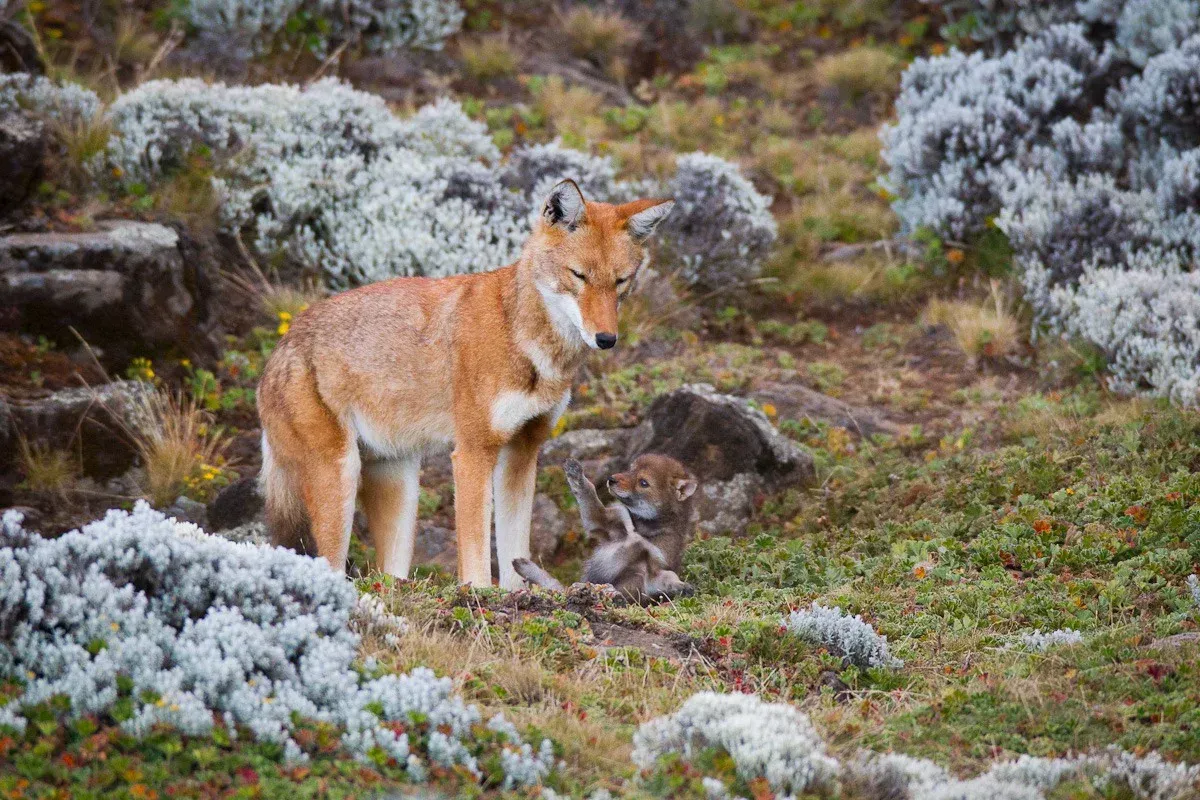
The monitoring of Ethiopian wolf packs is the backbone of EWCP’s long-term conservation work. With in-person observations from our skilled monitoring teams, our aim is to detect changes in the status and threats to Ethiopian wolf populations. From gathering data on pack composition and breeding success, to sounding early warnings about disease and human-wildlife conflict, this information allows us to develop evidence-based solutions to current and emerging conservation challenges. Last year, from April 2024 to March 2025, EWCP monitored 41 separate wolf packs in 17 different locations across 6 populations. We gathered a staggering 8,900 observations of wolves during a mammoth 10,400 monitor-hours of fieldwork. In rain and sun, high winds and freezing temperatures, wolf monitoring is a labour of love for these iconic animals. A truly impressive undertaking!

We are extremely saddened to learn of the armed attack on Mariri Environmental Centre and Niassa Carnivore Project Headquarters in Niassa Special Reserve, Mozambique, last week. Two of the NCP scouts, Domingos Daude and Fernando Paolo, have lost their lives, another was severly injured and two more are missing. Our condolences to their families, and to everyone at NCP during this difficult time. The full NCP Mariri press release is availble here .
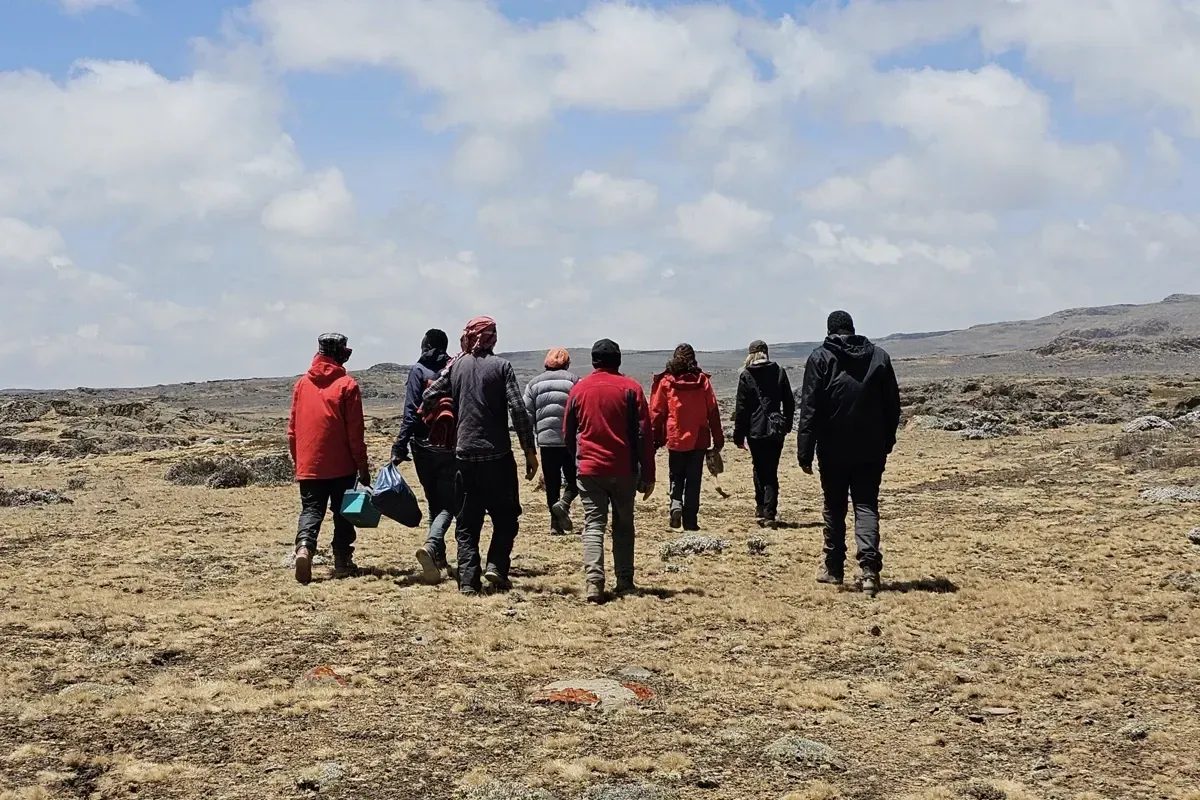
What does the word caring mean to you? I found myself asking this question after spending 3 weeks in the remote Bale Mountains, a significant part of it capturing, vaccinating, and GPS-collaring Et
The monitoring of Ethiopian wolf packs is the backbone of EWCP’s long-term conservation work. With in-person observations from our skilled monitoring teams, our aim is to detect changes in the status and threats to Ethiopian wolf populations. From gathering data on pack composition and breeding success, to sounding early warnings about disease and human-wildlife conflict, this information allows us to develop evidence-based solutions to current and emerging conservation challenges. Last year, from April 2024 to March 2025, EWCP monitored 41 separate wolf packs in 17 different locations across 6 populations. We gathered a staggering 8,900 observations of wolves during a mammoth 10,400 monitor-hours of fieldwork. In rain and sun, high winds and freezing temperatures, wolf monitoring is a labour of love for these iconic animals. A truly impressive undertaking!
We are extremely saddened to learn of the armed attack on Mariri Environmental Centre and Niassa Carnivore Project Headquarters in Niassa Special Reserve, Mozambique, last week. Two of the NCP scouts, Domingos Daude and Fernando Paolo, have lost their lives, another was severly injured and two more are missing. Our condolences to their families, and to everyone at NCP during this difficult time. The full NCP Mariri press release is availble here .
What does the word caring mean to you? I found myself asking this question after spending 3 weeks in the remote Bale Mountains, a significant part of it capturing, vaccinating, and GPS-collaring Et
The monitoring of Ethiopian wolf packs is the backbone of EWCP’s long-term conservation work. With in-person observations from our skilled monitoring teams, our aim is to detect changes in the status and threats to Ethiopian wolf populations. From gathering data on pack composition and breeding success, to sounding early warnings about disease and human-wildlife conflict, this information allows us to develop evidence-based solutions to current and emerging conservation challenges. Last year, from April 2024 to March 2025, EWCP monitored 41 separate wolf packs in 17 different locations across 6 populations. We gathered a staggering 8,900 observations of wolves during a mammoth 10,400 monitor-hours of fieldwork. In rain and sun, high winds and freezing temperatures, wolf monitoring is a labour of love for these iconic animals. A truly impressive undertaking!
We are extremely saddened to learn of the armed attack on Mariri Environmental Centre and Niassa Carnivore Project Headquarters in Niassa Special Reserve, Mozambique, last week. Two of the NCP scouts, Domingos Daude and Fernando Paolo, have lost their lives, another was severly injured and two more are missing. Our condolences to their families, and to everyone at NCP during this difficult time. The full NCP Mariri press release is availble here .